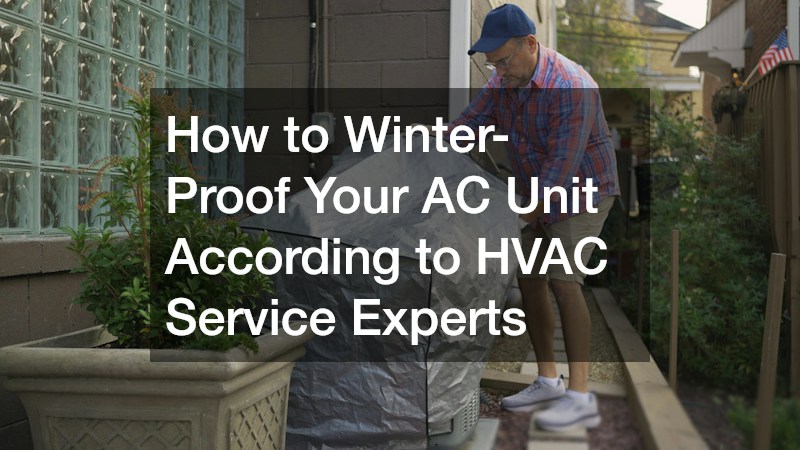
As temperatures drop and summer becomes a distant memory, homeowners often turn their attention to heating systems and forget about their air conditioning equipment. However, preparing your AC unit for winter can help protect its components, reduce exposure to harsh weather, and make it easier to resume cooling when warmer temperatures return. A few preventative steps can also help homeowners identify potential issues before they become more expensive repairs. Understanding how to winterize your equipment properly according to HVAC service professionals can help extend its useful life and keep your home comfortable throughout the changing seasons.
Clean Your AC Unit Before Winter Arrives
The first step in winterizing an air conditioner is giving the outdoor unit a thorough cleaning. During the cooling season, leaves, grass clippings, dirt, and other debris can accumulate around the condenser, restricting airflow and creating conditions that may contribute to corrosion or component damage.
Before cold weather settles in, remove loose debris from the surrounding area and clear away any vegetation growing too close to the equipment. Maintaining adequate clearance allows air to circulate freely and makes future inspections easier.
Next, inspect the exterior cabinet for visible dirt and buildup. You can gently rinse the outdoor unit with a garden hose to remove surface grime, but avoid using a pressure washer because excessive water pressure can bend delicate condenser fins. If the fins appear dirty or damaged, consider having a professional assess them before attempting more extensive cleaning. Always turn off power to the equipment before performing maintenance, and follow the manufacturer’s instructions for cleaning and care.
Cleaning also provides an opportunity to look for signs of wear that might require attention. Check for loose panels, rust, damaged insulation on exposed refrigerant lines, and other visible concerns. Although not every cosmetic issue requires immediate repair, unusual damage can indicate a developing problem that deserves further investigation. Scheduling HVAC service before winter can help identify concerns while they are easier to address, rather than waiting until the system is needed again in the spring.
Protect the Outdoor Unit From Winter Weather
Once the unit is clean, consider how snow, ice, wind, and freezing temperatures could affect its surroundings. Outdoor condensers are designed to withstand normal weather exposure, so they generally do not need to be enclosed completely. However, keeping the area around the equipment clear of accumulated leaves, fallen branches, and other debris can reduce the risk of physical damage. If your property regularly experiences heavy snowfall, pay attention to nearby rooflines and gutters that could direct falling snow or ice toward the unit.
Covering an air conditioner requires some care. A specialized cover designed for the top of the condenser can help keep leaves, twigs, and other debris from entering through the top while allowing moisture to escape. Avoid wrapping the entire unit in plastic or using an airtight cover, since trapped moisture can encourage corrosion and create conditions favorable to mold growth. A breathable cover designed for your specific equipment is generally a better option than an improvised enclosure.
Prepare the System for Seasonal Downtime
Before putting your air conditioner away for the season, review the manufacturer’s instructions for winter preparation. For many conventional central air conditioning systems, homeowners can simply stop using the cooling function once outdoor temperatures remain consistently low. If your system has a dedicated outdoor disconnect, follow the manufacturer’s guidance regarding whether power should be switched off during the off-season. Do not shut off power to equipment that also provides heating or requires electricity for essential functions without first confirming the correct procedure.
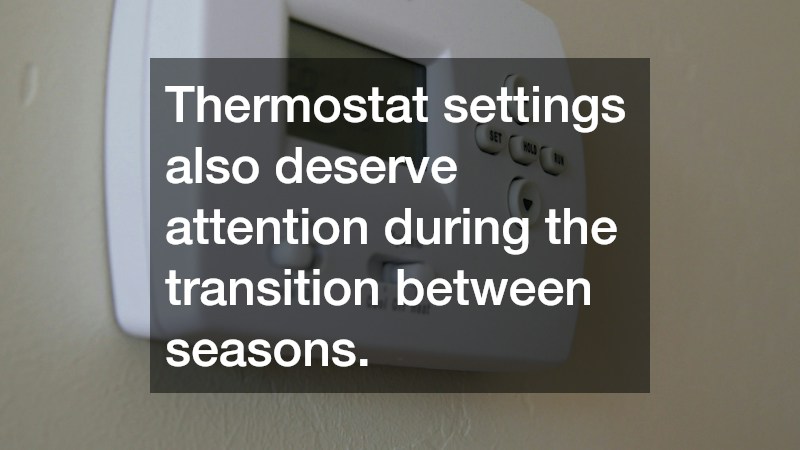
Thermostat settings also deserve attention during the transition between seasons. If you use a programmable thermostat, adjust its schedule to reflect your heating needs and prevent unnecessary cooling calls. Some systems combine air conditioning and heating equipment, so changing settings without understanding how the system operates could interfere with normal operation. Consult your equipment documentation or an HVAC technician if you are unsure which settings are appropriate for winter.
Winterizing your air conditioner does not require complicated procedures, but it does involve careful cleaning, appropriate weather protection, and attention to manufacturer recommendations. Removing debris, avoiding moisture-trapping covers, and preparing the system for seasonal downtime can help reduce preventable problems. By combining simple homeowner maintenance with professional HVAC service inspections when needed, you can protect your equipment during colder months and prepare it for reliable operation when summer returns.